Brilliant Blue Careers: Ship Design
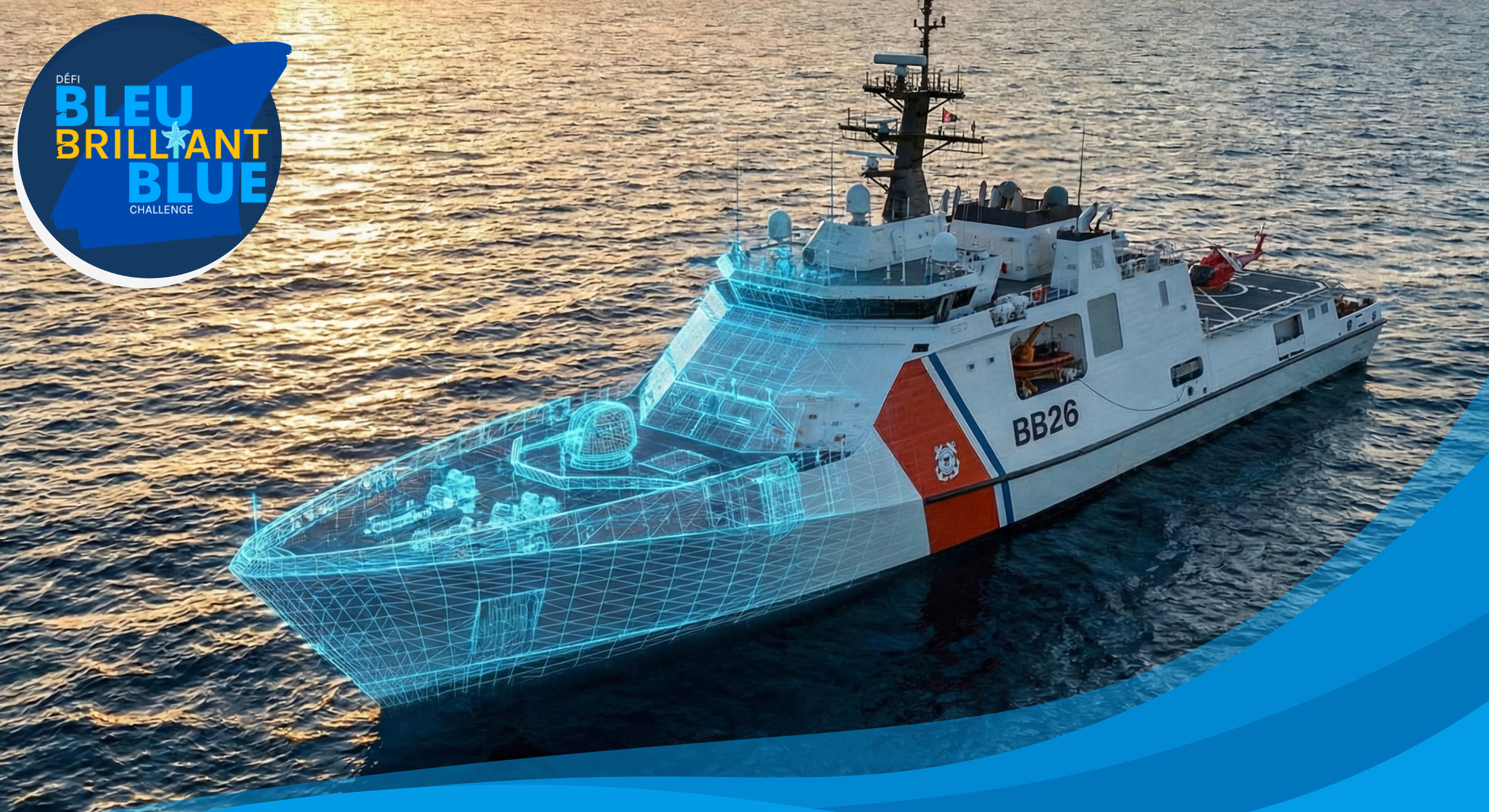
By Luis Santana, BSc CIS, MSc ME, United States Coast Guard
As a member of the Coast Guard’s Ship Design Team, I view ship design as a critical component of our mission to ensure maritime safety, security, along with commercial and environmental stewardship. This field is not just about building vessels, it’s about shaping the future of the blue economy through innovation, sustainability, and resilience. Every decision we make in design impacts how effectively ships can operate while minimizing their environmental footprint. For me, this work represents a unique opportunity to combine engineering expertise with a commitment to protecting our oceans and supporting global maritime operations.
Ship design is a highly multidisciplinary field, combining naval architecture, marine engineering, and systems integration to create vessels that meet demanding operational requirements. In my current role, I concentrate on ensuring requirements are met for example, structural integrity, stability and other technical aspects while incorporating advanced technologies across multiple systems. Naval architects focus on hull strength, while marine engineers design propulsion systems and onboard machinery to deliver performance and reliability. Systems integration specialists ensure that navigation, safety, and communication technologies function seamlessly, supporting mission readiness. Regulatory experts round out the process by enforcing compliance with international safety standards. Together, these engineering driven roles produce vessels capable of meeting the Coast Guard’s operational priorities, from maritime transport to offshore support and coastal protection
My motivation to participate in initiatives like the Brilliant Blue Challenge stems from a deep passion for the future of industry and the future of the people who will be involved. The Brilliant Blue Challenge offers a platform to make a tangible impact within the industry. Fostering collaboration across disciplines, bringing together engineers, scientists, and policy experts to drive innovation and passionate conversation. I’m inspired by the opportunity to develop and influence the future. Along with seeing the development of new materials, propulsion systems, and digital tools that make ships safer and more efficient. For me, it’s not just about technical achievements, it’s about actively being involved with global efforts to combat climate change and preserve ocean health, which directly aligns with the Coast Guard’s mission of protecting life, property, and natural resources.

Participating in initiatives like the Brilliant Blue Challenge reflects my commitment to advancing maritime innovation. But real change begins with passion, which is powered by technical expertise and that’s the foundation a STEM degree provides. It equips you with essential principles like fluid dynamics, structural mechanics, and materials science, enabling you to tackle complex challenges in ship design. Yet, true industry value comes from applying this knowledge in real-world scenarios. Hands-on experience with technologies such as digital modeling, simulation, and automation transforms theory into practical solutions, allowing you to design vessels that meet evolving standards and withstand extreme conditions. STEM opens the door, but industry experience gives your contributions weight and impact.
For those considering a career in ship design or participating in initiatives like Brilliant Blue, I offer a few practical insights. First, build a strong STEM foundation through coursework and hands-on projects if possible. Stay curious and innovative by embracing emerging technologies like artificial intelligence, advanced materials, and green systems. Collaboration and networking are key, ship design is truly multidisciplinary, and working with experts from other fields will broaden your perspective.
Understanding international regulations and sustainability standards is increasingly valued by employers and stakeholders, additionally familiarizing yourself with the various aspects of ship building/ship design are important. Approach challenges with creativity, resilience, and a willingness to learn from setbacks. Setback will happen even when you least expect them! Lastly, seeking mentorship is additionally as pivotal as all the above. Learning from an experienced professional can provide valuable guidance and help navigate career decisions as needed.
To conclude, ship design is a dynamic and impactful career path that allows me to contribute to innovation, sustainability, and climate resilience while supporting the Coast Guard’s mission.
Participating in challenges like Brilliant Blue is not just about professional growth, it’s about being part of a global effort to protect our oceans and shape the future of the maritime industry at the government and commercial level. Building a strong STEM based CV, staying engaged with industry trends, and committing to environmental stewardship, I believe together we can design vessels that meet the demands of tomorrow’s industry needs while safeguarding the oceans for generations to come.
Disclaimer: Opinions expressed above are those of the individual and do not necessarily represent the United States Coast Guard.
Luis Santana holds a Bachelor of Sciences in Computer Information Systems and a Master of Sciences in Mechanical Engineering.
He has commercial experience in construction and aerospace and is currently involved in government naval engineering with the United States Coast Guard.